
Most travellers know the Great Migration for its dramatic river crossings, but the herds' southern chapter — the calving season at Ndutu — is every bit as spectacular and far less crowded. Between late January and mid-March, the wildebeest gather on the short-grass plains straddling the Ngorongoro Conservation Area and the southern Serengeti, and in a burst of roughly three weeks around February, up to 8,000 calves are born every single day.
When exactly is the Ndutu calving season in 2027?
The herds typically arrive on the Ndutu plains in December as the short rains green the grass, and stay until the long rains push them north-west around April. The peak birthing window falls in February 2027, with late January and early March also excellent. If witnessing newborn calves and the predator activity that follows them is your priority, aim for the first three weeks of February.
Why do the wildebeest give birth here?
The volcanic soils south of the Ngorongoro highlands grow grass that is exceptionally rich in phosphorus and calcium — exactly what lactating mothers need. The open, short-grass terrain also makes it harder for predators to ambush, and the sheer synchronisation of the births floods the ecosystem with more prey than the lions, cheetahs and hyenas can possibly take. It is nature's oldest numbers game, played out in front of your vehicle.
What a day at Ndutu looks like
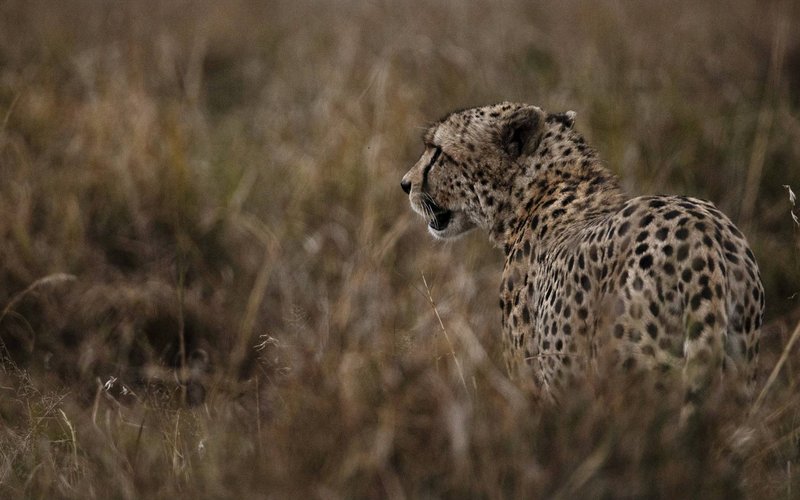
Game drives start at first light, when the plains are alive with wobbly-legged calves taking their first steps — a newborn wildebeest can outrun a lioness within about ten minutes of birth. Cheetah sightings at Ndutu during calving season are among the most reliable in Africa, and the Ndutu marsh prides of lion are famous among wildlife photographers. Because much of the area lies inside the Ngorongoro Conservation Area rather than the national park proper, off-road driving is permitted in designated zones, letting your guide position the vehicle for extraordinary sightings.
How to combine Ndutu with the rest of northern Tanzania
Most calving-season itineraries pair the southern plains with the Ngorongoro Crater — a natural amphitheatre holding the world's densest concentration of large mammals — plus Tarangire and Lake Manyara. Our green-season departures run exactly this circuit at three comfort levels:
- 7-Day Green Season Tanzania Safari 2027 (3-Star Comfort) — the full northern circuit with time in the Serengeti.
- 10-Day Green Season Tanzania Safari 2027 (4-Star Superior) — a slower pace with more days among the herds.
- 4-Day Green Season Tanzania Safari 2027 (5-Star Luxury) — a short, all-inclusive taste of the season.
You can browse every departure on our Tanzania safari packages hub.
Practical tips
- Book early: the handful of camps around Ndutu Lake fill up months ahead for February.
- Bring a long lens: 300mm minimum for the predator-prey interactions; the light at dawn is golden and low.
- Expect short afternoon showers: this is the green season — the rain is exactly why the plains can feed two million animals.
- Stay flexible: the herds move with the rain. Our guides are in daily radio contact with spotters so your drives follow the animals, not a fixed map.
Wondering how the green season compares with the classic dry months? Read our guide to Serengeti green season vs high season, or talk to our safari consultants about tailoring a 2027 calving-season itinerary.