
Ask five safari operators when to visit the Serengeti and you may get five different answers — because the honest answer is: it depends on what you want. The Serengeti has two distinct personalities, and both deliver world-class wildlife. Here is the straightforward comparison we give our own guests.
The two seasons at a glance
High season in northern Tanzania runs January–March, June–October and mid-to-late December — the drier months when animals concentrate around permanent water and visibility is at its best. Green season covers April–May and November, when the rains transform the plains, visitor numbers drop sharply and lodges have their quietest months.
Choose high season if…
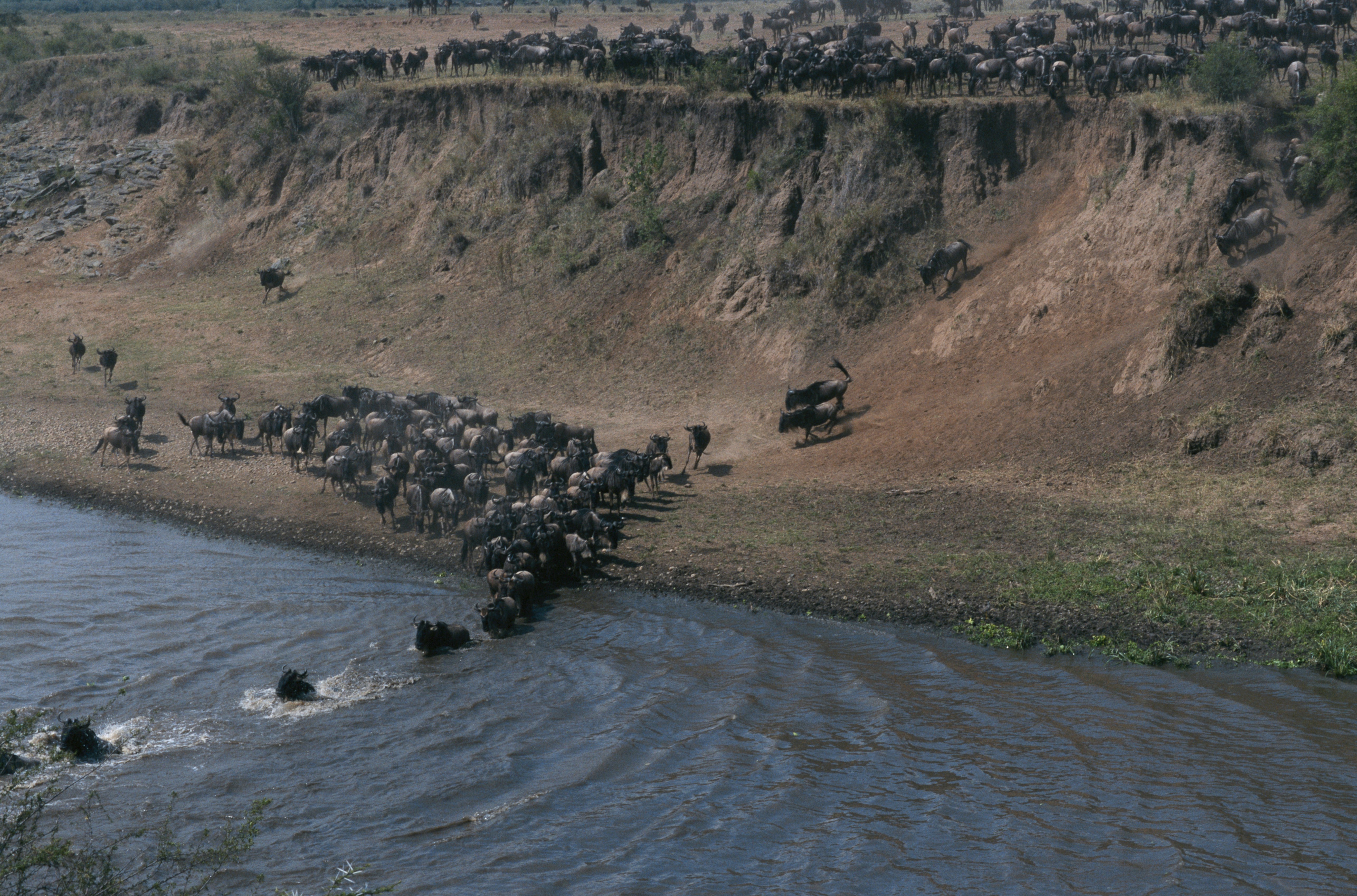
- You want the river crossings. July to October is when the Migration masses in the northern Serengeti and braves the Mara River. Our 8-Day Migration Safari 2027 is built entirely around this window.
- It's your first safari. Dry grass, bare trees and crowded waterholes make game spotting dramatically easier. The classic circuit — Tarangire, Ngorongoro Crater, central Serengeti — is at its most generous.
- You're combining with Zanzibar. Dry-season beach weather aligns perfectly; see how a safari from Zanzibar works.
Typical picks: the 4-Day High Season Safari (3-Star) for the crater-and-Tarangire core, or the 7-Day High Season Safari (5-Star Luxury) for the full circuit with Serengeti nights.
Choose green season if…
- You want the calving spectacle. The Ndutu plains birthing season (peaking February — technically a "green" landscape inside the high-season calendar) and the November short rains both bring newborn animals and intense predator action. Our Ndutu calving season guide covers this in depth.
- You'd rather share a sighting with two vehicles than twenty. April, May and November are the Serengeti at its most private.
- You're a photographer. Dramatic skies, dust-free air, emerald grass and migratory birds in breeding plumage — many professionals shoot only in the green season.
- Value matters. Lodges drop their rates significantly, which means the same itinerary costs less or upgrades further.
Typical picks: the 3-Day Green Season Safari (4-Star Superior) or the 10-Day Green Season Safari (3-Star Comfort) for the whole northern circuit at a gentle pace.
The honest downsides of each
High season means more vehicles at famous sightings, busier lodges and premium pricing. Green season means short (usually afternoon) showers, some black-cotton roads get muddy, and long grass can make leopards and cheetahs harder to spot. Neither season is a compromise on wildlife — the Serengeti hosts its two million residents year-round; only the backdrop and the crowd change.
Month-by-month cheat sheet
- Jan–Mar: calving at Ndutu, superb big-cat action, warm and mostly dry.
- Apr–May: long rains, lowest visitor numbers, lush scenery.
- Jun–Jul: Migration moves north-west; western corridor and Grumeti crossings.
- Aug–Sep: Mara River crossings at their peak in the northern Serengeti.
- Oct: last crossings; parks quiet down and light turns golden.
- Nov: short rains; herds stream back south; migratory birds arrive.
- Dec: herds gather on the southern plains; festive-season buzz from mid-month.
Browse all 2027 departures — every itinerary is available in both seasons and at 3-, 4- and 5-star tiers — on our Tanzania safari packages page, or ask our consultants which window fits your dates.