
Kenya's Weather and Wildlife Seasons
Kenya straddles the equator and has a climate driven by two rainy seasons rather than the traditional four seasons of temperate regions. Understanding when the rains come, when the grass is short, and when the wildlife is most concentrated is the key to planning a great Kenyan safari. This month-by-month guide tells you exactly what to expect.
January and February — Hot, Dry, and Excellent
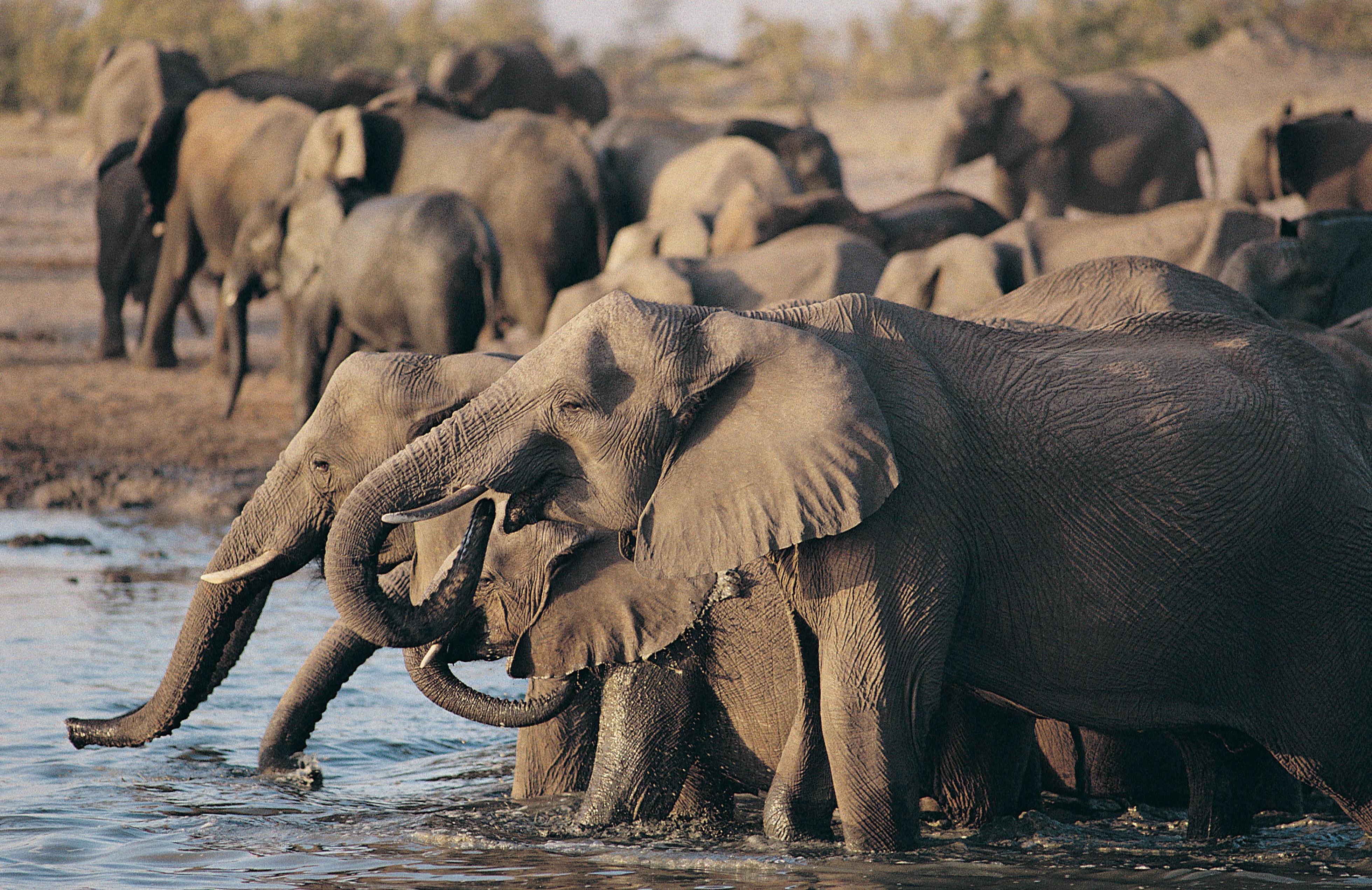
These months represent one of Kenya's best wildlife-viewing periods. The short rains have ended, the grass is short, and animals concentrate around permanent water sources. Daytime temperatures are warm (28–32°C in the lowlands), but evenings are pleasant. The Maasai Mara is excellent — large lion prides are active, cheetah mothers with cubs are visible on the open plains, and the absence of the migration crowds means you often have sightings to yourself. Amboseli is outstanding in January and February, with elephants moving between Kilimanjaro's forests and the swamps, often with clear mountain views in the crisp air.
March to May — Long Rains
The long rains bring heavy afternoon and evening showers, lush green landscapes, and significantly fewer tourists. April is typically the wettest month. Some bush tracks become difficult or impassable. However, this period has real appeal: accommodation rates drop substantially, the landscape is strikingly beautiful with dramatic skies and vivid greens, and the parks feel genuinely wild without the crowds of high season. Baby animals are abundant — many species time their births to coincide with the lush vegetation. Birdwatching is exceptional, with migratory species in full breeding plumage.
June — Transition Month
The long rains ease through June, and the landscape begins to dry out. This is the beginning of the high season in the Mara as the first wildebeest begin arriving from the Serengeti. Game viewing improves rapidly through the month. June is excellent for combining Samburu National Reserve in the north — where it's dry — with a Mara visit timed for the early migration.
July and August — Peak Migration Season
July and August are the most popular months in Kenya, and for good reason. The Great Migration is in full force in the Maasai Mara — the Mara River crossings happen multiple times daily at peak season, as the herds move back and forth across the river. Lion prides are large and active, following the migrating herds. Cheetah sightings are exceptional. The weather is cool and dry — perfect for game drives. Book well in advance (ideally 12 months ahead) for August, which is the busiest month of the year.
September and October — Migration Continues, Crowds Thin
The migration remains in the Mara through October, and September–October is often considered the sweet spot: the herds are still present, but the peak-season crowds have thinned. Accommodation rates drop slightly from the July–August peak. The Mara Triangle, on the western side of the Mara River, often has fewer vehicles than the more crowded eastern sector. October sees the herds beginning their southward return to Tanzania.
November — Short Rains
The short rains (November to early December) bring afternoon showers that are generally lighter and less disruptive than the long rains. The migration has largely returned to Tanzania. However, resident game in the Mara, Amboseli, and Tsavo remains excellent. The rains trigger a burst of greenery, and the bird migration peaks as European migrants arrive. This is a good month for budget-conscious travellers seeking quality game viewing without the high-season premium.
December — Festive Season
December starts with the tail-end of the short rains and transitions to dry conditions. The festive period (Christmas and New Year) sees a significant influx of visitors, particularly to the Mara. Booking early is essential. The Amboseli ecosystem is excellent in December — clear skies and good visibility to Kilimanjaro, large elephant herds, and the beginning of the dry season that concentrates animals around water.
Summary: Best Months by Activity
- Migration crossings: July, August, September, October
- Big Five game viewing: January, February, July, August, September
- Budget travel: March, April, May, November
- Birdwatching: November, December, January (migrants present)
- Kilimanjaro views at Amboseli: January, February, September
- Fewer crowds: March–May, November
Plan Your Kenya Safari
Tazama Africa Holidays operates year-round safaris across Kenya, tailoring itineraries to the best conditions for your chosen travel dates. Whether you want to witness the migration crossings, photograph newborn calves on the Serengeti plains, or experience the green season's dramatic skies and empty roads, we'll design the perfect safari for you. Contact us for a free consultation and personalised itinerary.