
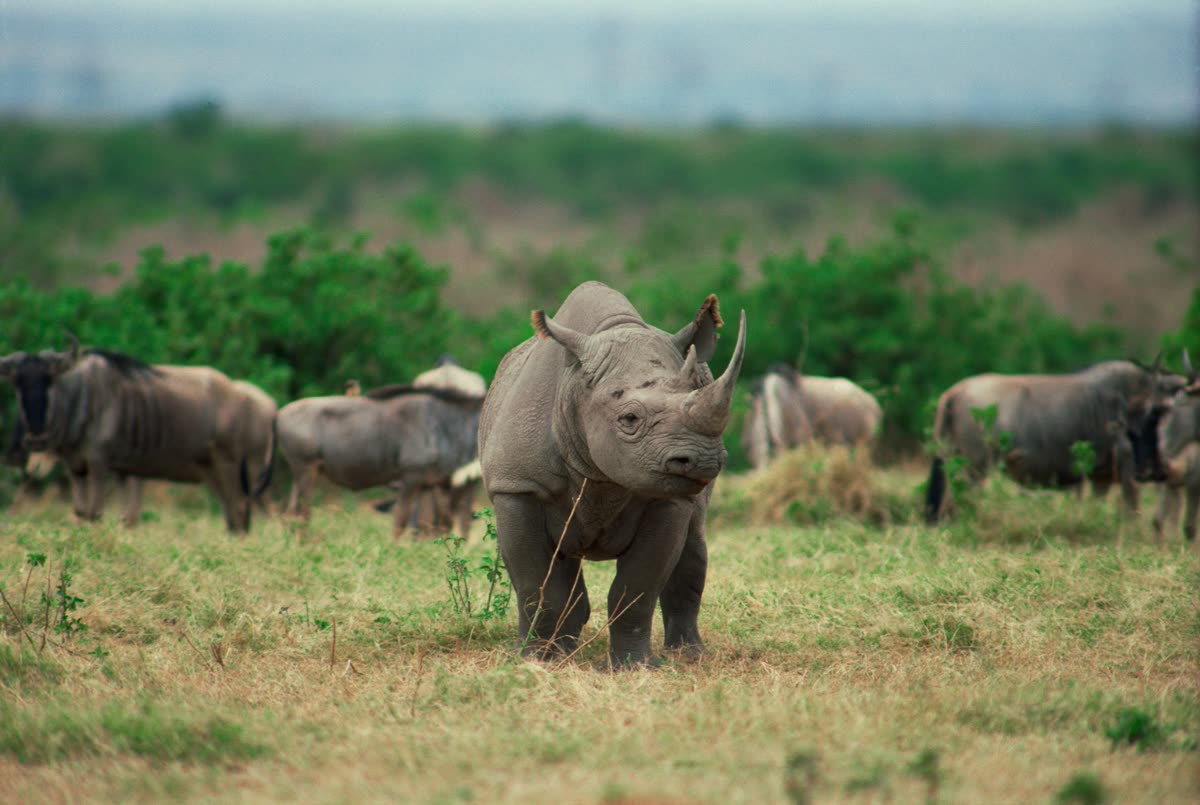
The Kalahari Desert is one of Africa's most extraordinary and misunderstood wilderness areas. Despite its name, the Kalahari is technically a fossil desert — a vast, semi-arid savannah of red sand, sparse grass, and thorny acacia trees that supports a surprising abundance of wildlife. Stretching across Botswana, Namibia, and South Africa, the Kalahari offers a safari experience profoundly different from the classic East African game drive.
What Makes the Kalahari Desert Unique
- Black-maned Kalahari lions — the lions of the Kalahari have evolved to survive on minimal water and have developed distinctively large, dark manes unique to this ecosystem
- Meerkats — the Kalahari is the best place in Africa to observe meerkat colonies at close range, particularly in the southern regions of Botswana
- Gemsbok (Oryx) — the iconic gemsbok is the Kalahari's signature antelope, perfectly adapted to survive desert conditions
- Vast, open landscapes — the Kalahari's sweeping red dune corridors and ancient riverbeds offer a dramatic visual contrast to the green savannahs of East Africa
- San Bushmen culture — the Kalahari is the ancestral home of the San people, whose tracking skills and ecological knowledge are among the most sophisticated on earth
Top Kalahari Desert Safari Destinations
The Kgalagadi Transfrontier Park straddles the South Africa-Botswana border and is the premier Kalahari safari destination. It is famous for its exceptional big cat sightings — particularly the large, dark-maned Kalahari lions and the fastest land animal on earth, the cheetah. Sociable weavers build enormous colonial nests in the camel-thorn trees, and the red sand dune corridors between the dry riverbeds provide a spectacular setting for game drives.
The Central Kalahari Game Reserve is one of the largest game reserves in the world and one of Africa's most remote safari destinations. Access requires a 4x4 and advanced planning — but the reward is extraordinary isolation and exceptional wildlife encounters. During the green season rains (December–March), the reserve transforms as migratory herds of wildebeest, hartebeest, and springbok flood in.
Kalahari Wildlife: What to Expect
| Animal | Kalahari Highlight |
|---|---|
| Black-maned Lion | Iconic subspecies found only in the Kalahari |
| Cheetah | Open terrain makes for spectacular chases |
| Gemsbok (Oryx) | The desert's signature antelope |
| Meerkat | Best meerkat encounters in Africa |
| Brown Hyena | Kalahari stronghold for this shy species |
| Sociable Weaver | Enormous colonial nests in every camel-thorn |
Best Time to Visit the Kalahari Desert
The Kalahari has two distinct seasons, each offering a completely different safari experience:
- Dry season (May–September): Sparse vegetation, cooler temperatures, wildlife concentrated at waterholes. Best for predator sightings.
- Green season (December–March): Rains transform the desert, migratory herds arrive, and the landscape turns green. Best for wildebeest migrations within the Central Kalahari.
The perfect Botswana safari combines the Kalahari's desert drama with the Okavango Delta's water wilderness — two completely contrasting ecosystems that together showcase the full spectrum of southern Africa's wildlife.
Plan Your Kalahari Safari with Tazama
Tazama Africa Holidays works with expert partners across Southern Africa to design exceptional Kalahari safari experiences. We can also combine a Kalahari trip with our signature East Africa safaris in Kenya and Tanzania. Contact us to start planning your Kalahari desert adventure.