
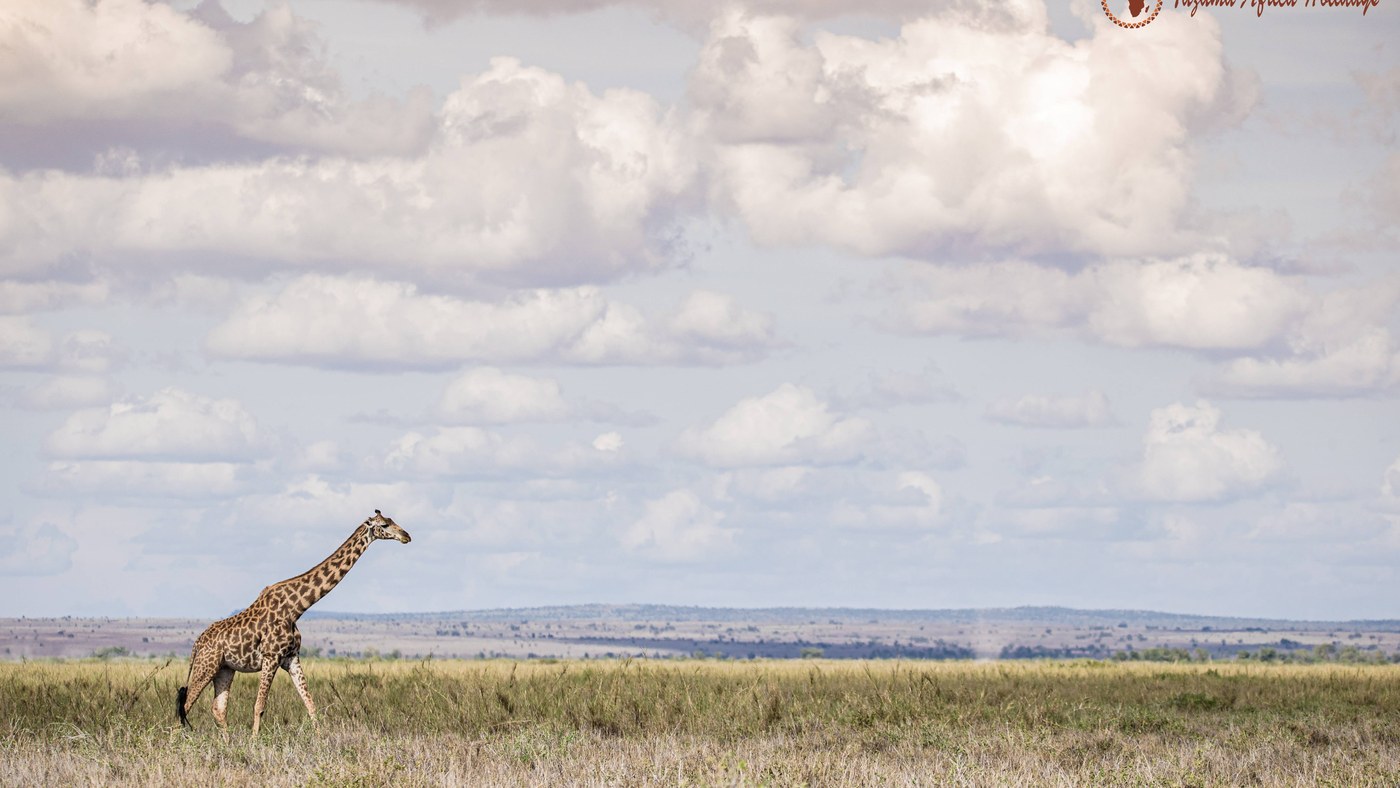
Tanzania is home to some of the most extraordinary wildlife landscapes on earth. From the endless plains of the Serengeti — where the Great Migration unfolds in a drama of dust and thunder — to the ancient caldera of Ngorongoro, a natural enclosure teeming with Africa's densest concentration of wildlife, a Tanzania safari is an experience unlike any other.
Add the towering summit of Mount Kilimanjaro, the pristine beaches of Zanzibar, and the remote wilderness of Ruaha and Selous, and Tanzania offers one of the most complete safari and travel destinations in Africa. This guide covers everything you need to plan your perfect Tanzania safari in 2026.
Why Tanzania is Africa's Ultimate Safari Destination
Tanzania consistently ranks among the world's top safari destinations for good reason:
- The Serengeti — Tanzania's crown jewel, covering 14,763 km² of pristine savannah and home to the world's greatest wildlife spectacle
- The Great Migration — over 1.5 million wildebeest, 200,000 zebra and 500,000 gazelle move through Tanzania for most of the year
- Ngorongoro Crater — the world's largest intact volcanic caldera, sheltering 25,000 animals including all of the Big Five
- Low visitor density — southern Tanzania's parks see a fraction of the visitors of northern parks, offering a truly wild experience
- Zanzibar combination — pair your safari with a perfect beach holiday on the Spice Island just a short flight away
Top Tanzania Safari Parks & Reserves
The Serengeti is Tanzania's most iconic park and one of the Seven Natural Wonders of Africa. Its vast open plains stretch endlessly to the horizon, broken by granite kopjes (rocky outcrops) where lions lounge in the sun. The park supports the highest concentration of predators in Africa — lions, leopards, cheetahs, hyenas, and wild dogs all roam its grasslands.
The Serengeti hosts the Great Migration year-round, with different areas of the park seeing different stages of the annual cycle. The Central Serengeti (Seronera) offers excellent year-round wildlife, while the northern Serengeti (Kogatende) is the best place for dramatic river crossings from July to October.
Ngorongoro Crater is a UNESCO World Heritage Site and one of Africa's most spectacular natural wonders. The crater floor — 260 km² of compressed savannah, wetland, and forest — shelters around 25,000 animals that rarely leave its walls. This makes it the best place in Tanzania to see black rhino, and one of the most reliable Big Five destinations on the continent.
Descending into the crater at dawn, with mist rising from the soda lake and flamingos turning the water pink, is one of Africa's most memorable moments. The surrounding highlands also offer chimpanzee trekking at Olduvai Gorge — the cradle of human evolution.
Tarangire is Tanzania's hidden gem — dramatically underrated and breathtakingly beautiful. The park is famous for its ancient baobab trees, massive elephant herds (the largest in Tanzania), and the Tarangire River which acts as a lifeline for wildlife during the dry season. From June to October, up to 3,000 elephants gather along its banks.
The park also has high concentrations of lions, leopards, and over 550 bird species, making it a birdwatcher's paradise. Its relative quiet compared to the Serengeti makes Tarangire a highlight of many northern Tanzania safari itineraries.
Tanzania's southern circuit — anchored by Ruaha and the vast Selous (now Nyerere National Park) — offers one of Africa's most exclusive safari experiences. With far fewer visitors than the north, you'll often have entire game drives to yourself. Ruaha is known for large lion prides, impressive elephant herds, and sightings of rare African wild dogs.
The Rufiji River, which flows through Nyerere, is home to massive hippo and crocodile populations. Boat safaris here offer a completely different wildlife perspective — close-up views of hippos at eye level and fishing eagles overhead.
The Great Migration in Tanzania
The Great Migration is the world's largest overland animal movement — 1.5 million wildebeest, 200,000 zebra, and 500,000 Thomson's gazelle moving in a continuous loop between the Serengeti and Kenya's Maasai Mara. Here's where to be and when:
| Month | Location | Highlight |
|---|---|---|
| Jan – Mar | Southern Serengeti (Ndutu) | Calving season — 500,000 wildebeest born in 3 weeks |
| Apr – May | Central Serengeti | Herds begin moving north through the long rains |
| Jun – Jul | Western Serengeti (Grumeti) | Grumeti River crossings — crocodile ambushes |
| Aug – Oct | Northern Serengeti & Maasai Mara | Mara River crossings — the most dramatic spectacle |
| Nov – Dec | Southern Serengeti | Return journey south ahead of calving |
Best Time for a Tanzania Safari
Tanzania Safari — Month by Month
January and February in the southern Serengeti (Ndutu area) is one of Africa's most underrated safari experiences. Half a million wildebeest calves are born in just 3 weeks — and the predator action is extraordinary.
Tanzania Safari Tips
Most nationalities require a Tanzania tourist visa ($50 USD). Apply online via the Tanzania immigration portal or get one on arrival. The East Africa Tourist Visa ($100) also covers Kenya and Uganda.
Kilimanjaro International Airport (JRO) serves the northern circuit. Julius Nyerere International Airport (DAR) serves Dar es Salaam and southern Tanzania. Many visitors combine both circuits with domestic flights.
After days of game drives, the white sands and turquoise waters of Zanzibar make the perfect conclusion to any Tanzania safari. Flights from Arusha or Dar es Salaam take under an hour.
Book Your Tanzania Safari with Tazama
Tazama Africa Holidays has been crafting exceptional Tanzania safari experiences for travellers from around the world. Our deep knowledge of the Serengeti's seasonal movements, the best camps in each area, and the hidden gems most visitors miss means you get an insider's experience, not a generic itinerary.
Whether you want a classic northern circuit, a remote southern adventure, or a honeymoon combining the Serengeti and Zanzibar, we'll create the perfect Tanzania safari for you. Get your free quote today — no obligation, just expert advice.