
Why Africa Should Be Your Next Adventure
An African safari is one of the most transformative travel experiences on the planet. The vast golden savannahs, the thundering herds of wildebeest, the silent stalk of a leopard through tall grass — these are moments that stay with you for a lifetime. If you're planning your first African safari, this guide will walk you through everything you need to know to make it unforgettable.
Choosing the Right Destination
East Africa offers some of the world's finest wildlife viewing. Kenya and Tanzania together form the beating heart of African safari tourism. Kenya's Maasai Mara is legendary for the Great Migration between July and October, when over 1.5 million wildebeest cross the Mara River in dramatic fashion. Tanzania's Serengeti offers year-round wildlife and the spectacle of vast herds stretching to the horizon.
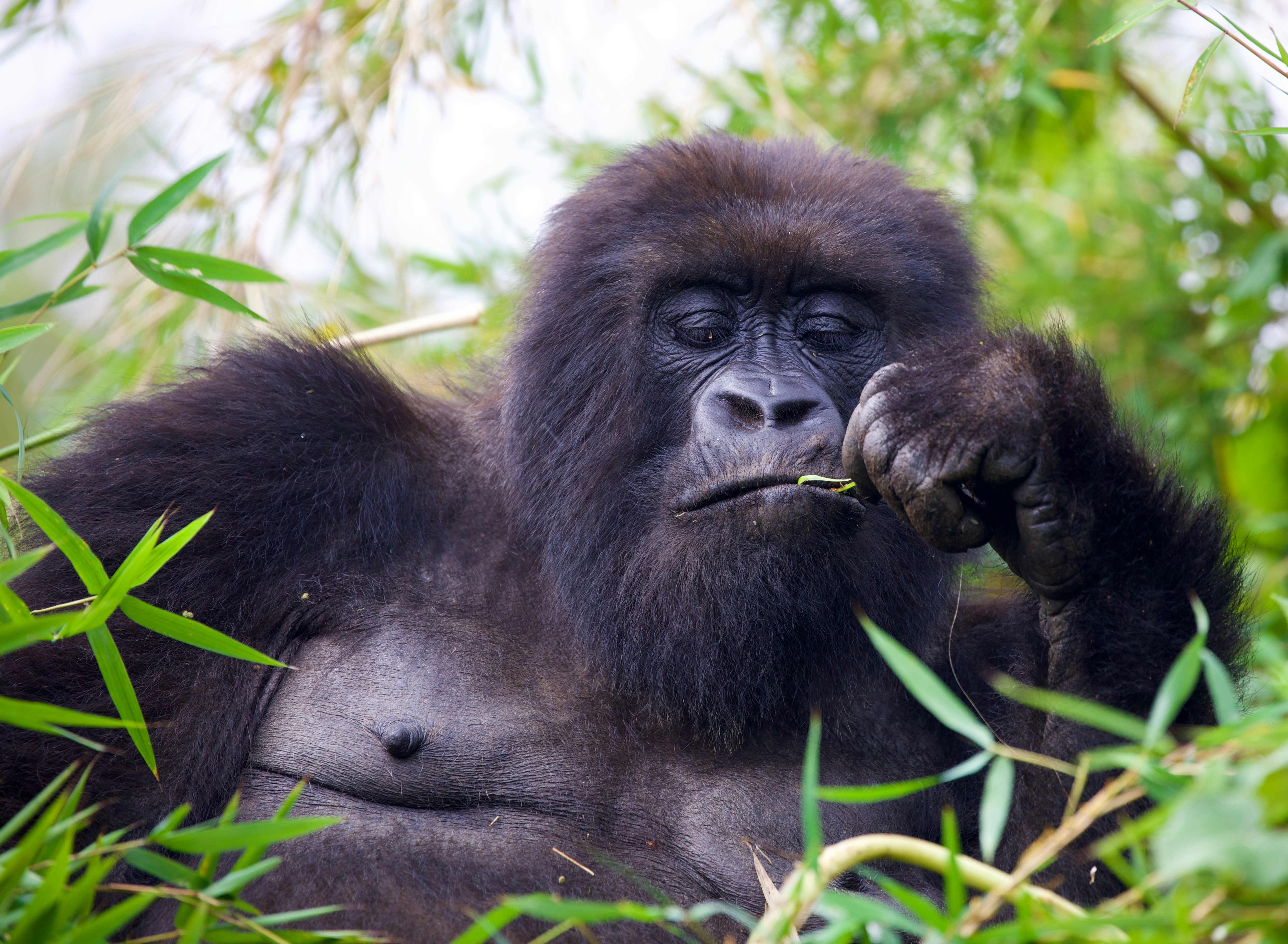
For first-timers, a Kenya-Tanzania combined safari gives you the best of both worlds — the Mara, Amboseli with its iconic Kilimanjaro backdrop, and the Serengeti's endless plains. Uganda and Rwanda offer the rare opportunity to trek with mountain gorillas, an experience like no other.
Best Time to Visit
The dry seasons offer the best game viewing because animals gather around water sources, making them easier to spot. Kenya's peak dry season runs from late June to October and January to February. Tanzania's Serengeti is best visited between June and September for the river crossings, or December to March for the calving season in the Ndutu area.
The long rains (March to May) and short rains (November) bring lush green landscapes, fewer tourists, and lower prices — making them excellent for photography and budget travel, though some dirt roads become difficult.
What to Pack for Your Safari
Packing right makes a significant difference to your comfort. Stick to neutral colours — khaki, olive, beige — as bright colours can disturb wildlife and attract insects. Here's an essential packing list:
- Lightweight long-sleeved shirts and trousers for sun and insect protection
- A warm fleece or jacket — early morning game drives are cold, especially in the Mara
- Wide-brimmed hat and high-SPF sunscreen
- Quality binoculars (8x42 magnification is ideal)
- Camera with a telephoto lens (200mm minimum)
- Comfortable closed-toe shoes and sandals
- Insect repellent with DEET
- Malaria prophylaxis (consult your doctor before travel)
Understanding Safari Vehicles and Game Drives
Most Kenyan and Tanzanian safaris use 4WD Land Cruisers or Land Rovers with pop-up roofs for standing wildlife photography. Game drives typically happen at dawn (6–8am) and late afternoon (4–7pm) when animals are most active. At Tazama Africa Holidays, our vehicles carry a maximum of six guests, ensuring everyone has a window seat and an unobstructed view.
Your guide is the most critical factor in your safari experience. Our guides are Kenya Professional Safari Guides Association (KPSGA) certified, with deep knowledge of animal behaviour, tracking, and the ecosystems they work in every day.
Types of Safari Accommodation
Accommodation ranges from budget camping to ultra-luxury tented camps. The main categories are:
- Tented camps — Canvas tents with proper beds, en-suite bathrooms, and stunning views. These blend immersion in nature with genuine comfort.
- Safari lodges — Permanent structures with full amenities, swimming pools, and often spectacular settings overlooking waterholes or plains.
- Mobile camps — Move with the migration, offering exclusive locations away from crowds.
- Conservancy camps — Private conservancies around the Mara offer exclusive game drives with no other vehicles in sight.
Health and Safety
East Africa is a safe and well-travelled destination. The main health precautions are malaria prevention (prophylaxis plus repellent), yellow fever vaccination (required if entering from certain countries), and staying hydrated. Tap water is not safe to drink — always use bottled or filtered water.
Travel insurance that covers emergency medical evacuation is essential. AMREF Flying Doctors and other air evacuation services operate throughout East Africa, providing peace of mind in remote areas.
Budgeting for Your Safari
Safari costs vary enormously depending on accommodation level, season, and duration. A realistic budget for a 7-day mid-range Kenya safari starts from around $2,500 per person all-inclusive. Luxury camps in the Mara can cost $800–$1,500 per person per night. At Tazama Africa Holidays, we specialise in crafting safaris that deliver exceptional value across all budget levels — from our 3-day Maasai Mara flying packages to our comprehensive 11-day Kenya classics.
Booking Your First Safari
Book at least 3–6 months in advance, especially for peak season (July–October) travel. The best camps fill up quickly. Work with a reputable Kenya-based operator like Tazama Africa Holidays — our team knows the parks intimately and can advise which camps offer the best game viewing for your travel dates. Contact us for a free, personalised itinerary tailored to your interests, budget, and travel dates.